Whether you're an elite athlete or a weekend warrior, understanding how to use a foam roller can dramatically improve your recovery, flexibility, and overall performance. In this guide, you'll learn the science-backed benefits of foam rolling, how it works, which muscles to target, and step-by-step techniques get the most out of every session.
What Is Foam Rolling?
Foam rolling is a form of self-myofascial release (SMR), a technique used to relieve muscle tightness, soreness, and inflammation. By applying controlled pressure to specific areas of the body, foam rolling mimics the effects of a deep tissue massage. The practice has grown from a niche physical therapy tool into a mainstream recovery method used by athletes, fitness enthusiasts, and physical therapists worldwide. A foam roller is typically a cylindrical piece of dense foam, though variations include textured surfaces and vibrating models designed amplify the therapeutic effect.
The Science Behind Foam Rolling
Muscles are surrounded and connected by a web of connective tissue called fascia. When you exercise, sit for prolonged periods, or experience physical stress, this fascia can develop adhesions — commonly known as "knots" — that restrict movement and cause discomfort. Foam rolling applies sustained pressure to these adhesions, helping to break them down and restore normal tissue function. Research suggests that foam rolling increases blood flow to targeted areas, which accelerates nutrient delivery and waste removal at the cellular level. This process, combined with the stimulation of the nervous system's relaxation response, is what makes foam rolling such an effective recovery tool.

Key Benefits of Foam Rolling
Foam rolling offers a wide range of physiological and performance-related benefits that extend well beyond simple muscle relaxation. Understanding these benefits can help you integrate foam rolling more intentionally into your fitness routine.
Accelerated Muscle Recovery: One of the most well-documented benefits of foam rolling is its ability to reduce delayed onset muscle soreness (DOMS) — the stiffness and tenderness that typically peaks 24 to 72 hours after intense exercise. Studies published in the Journal of Athletic Training have shown that foam rolling after a workout can significantly reduce DOMS severity and help athletes return to peak performance more quickly.
Improved Flexibility and Range of Motion: Unlike static stretching, foam rolling targets both the muscle tissue and the surrounding fascia simultaneously. This dual action results in more lasting improvements to flexibility and joint range of motion. Incorporating foam rolling before workout as part of a dynamic warm-up can help improve movement quality and reduce injury risk during training.
Enhanced Circulation: The mechanical pressure applied during foam rolling promotes vasodilation — the widening of blood vessels — in the targeted area. This increased blood flow delivers more oxygen and nutrients to muscle fibers while simultaneously flushing out metabolic waste products like lactic acid, helping recover faster and feel less fatigued.Reduced Muscle Tension and Stress: Foam rolling activates the parasympathetic nervous system, which is responsible for the body's restand-recover state. Regular practice can help lower cortisol levels and reduce overall muscular tension, making it useful tool not just for physical recovery but also for managing stress and improving sleep quality.
Injury Prevention: By maintaining healthy quality and ensuring move through their full range of motion, foam rolling reduces the likelihood of overuse injuries, strains, and joint pain. Athletes who incorporate consistent foam rolling into their training programs often report fewer soft tissue injuries over time.
Essential Foam Roller Exercises
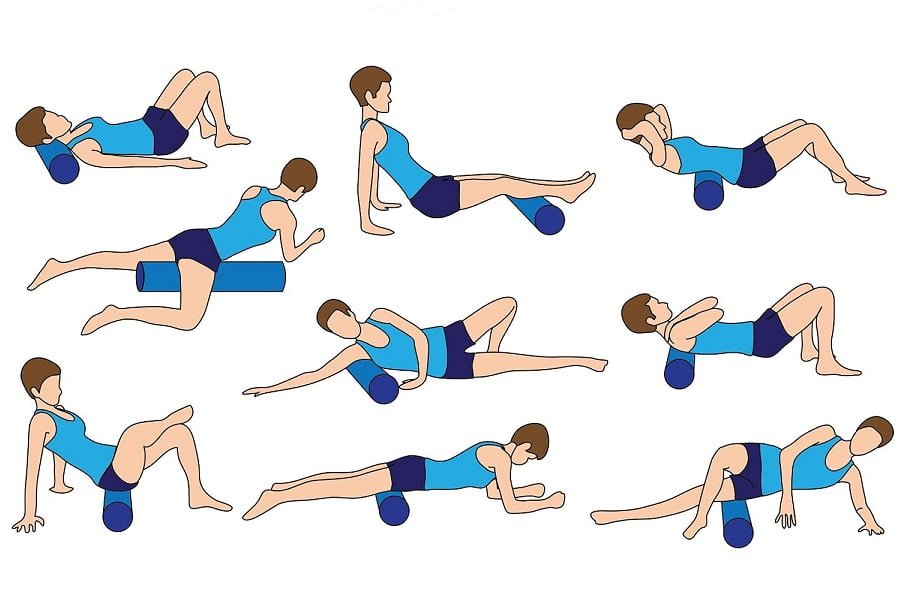
Getting started with foam rolling requires only a roller and enough space to freely. The following exercises target the most tight overworked muscle groups. For each, aim to roll slowly — about one inch per second — and pause for 20 30 seconds on any areas that feel particularly tender.

Quadriceps Roll: Lie face down with the roller positioned just above knee on quads. Supporting yourself on your forearms, slowly roll upward toward flexors. Keeping core engaged throughout this movement helps protect the lower back and keeps the pressure focused on the target group>Calf Roll Sit on the floor with your legs extended and the roller under your calves. Lift your hips off the ground and use your arms to slowly guide forward backward. For deeper pressure, cross ankle over the other to concentrate body weight onto single calf at a time.
Glute and Piriformis Roll: Sit on the roller with your weight shifted to one side of that side over the opposite knee to open the hip then slowly roll over the gl the piriformis — a deep when tight, can contribute to sciatica-like pain down the leg.
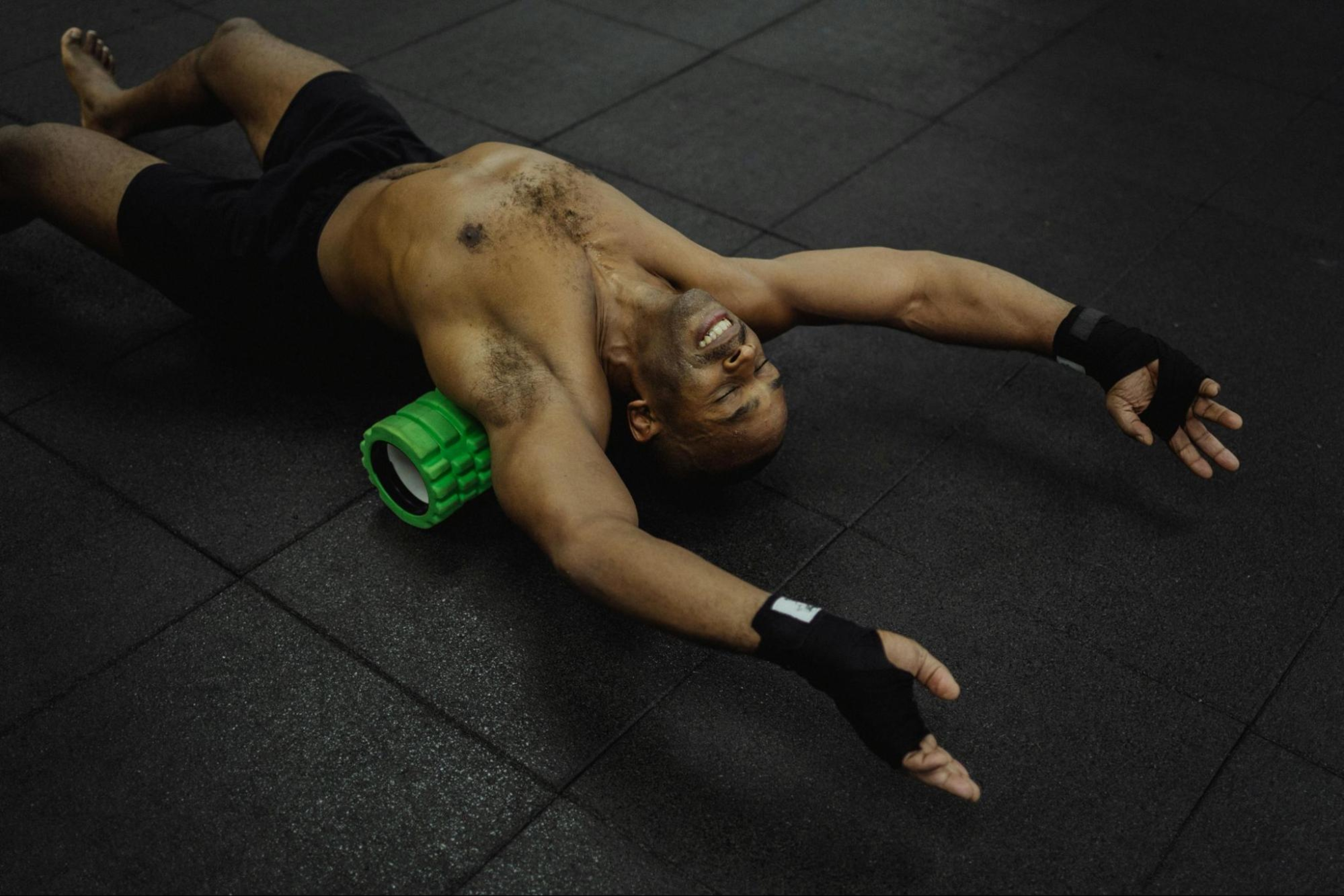
Upper Back and Lats Roll: Position roller horizontally across your mid-back, then slowly roll upward to the base of the neck. For the lats, extend arm overhead while rolling the side of your back to the armpit. This helps relieve tension built up from pressing pulling, and overhead movements in the gym.
Best Practices for Foam Rolling
To the most benefit from foam rolling while minimizing the risk of injury, it helps to follow a few key principles. First, avoid rolling directly joints bones, or the lower lumbar spine, as this can cause more harm than good. Focus exclusively on the belly of the muscle. Second, maintain steady, controlled breathing throughout movement — inhaling the nose and exhaling through the mouth helps relax the tissue the process more effective. Third, stay hydrated before and after foam rolling sessions as the process stimulates circulation and the release of metabolic byproducts that needs adequate fluid to process efficiently. Finally, consistency matters than duration daily five ten minute foam rolling routine will produce noticeable results time than infrequent, lengthy sessions.
When to Roll: Before or After a Workout?
The timing of foam rolling can be strategically adjusted based on your goals Before a workout, use foam rolling as part of your warm-up to increase pliability and improve range of motion. Keep pre-workout sessions brief — around minutes — and follow them with dynamic stretching to fully activate the muscles. After a workout, foam rolling is most effective for promoting recovery. Post can be longer and more thorough, spending extra time on the muscle groups that were heavily loaded during training Many practitioners also benefit from foam rolling on rest days, using it as a standalone recovery tool to maintain quality between>Choosing the Right Foam Roller
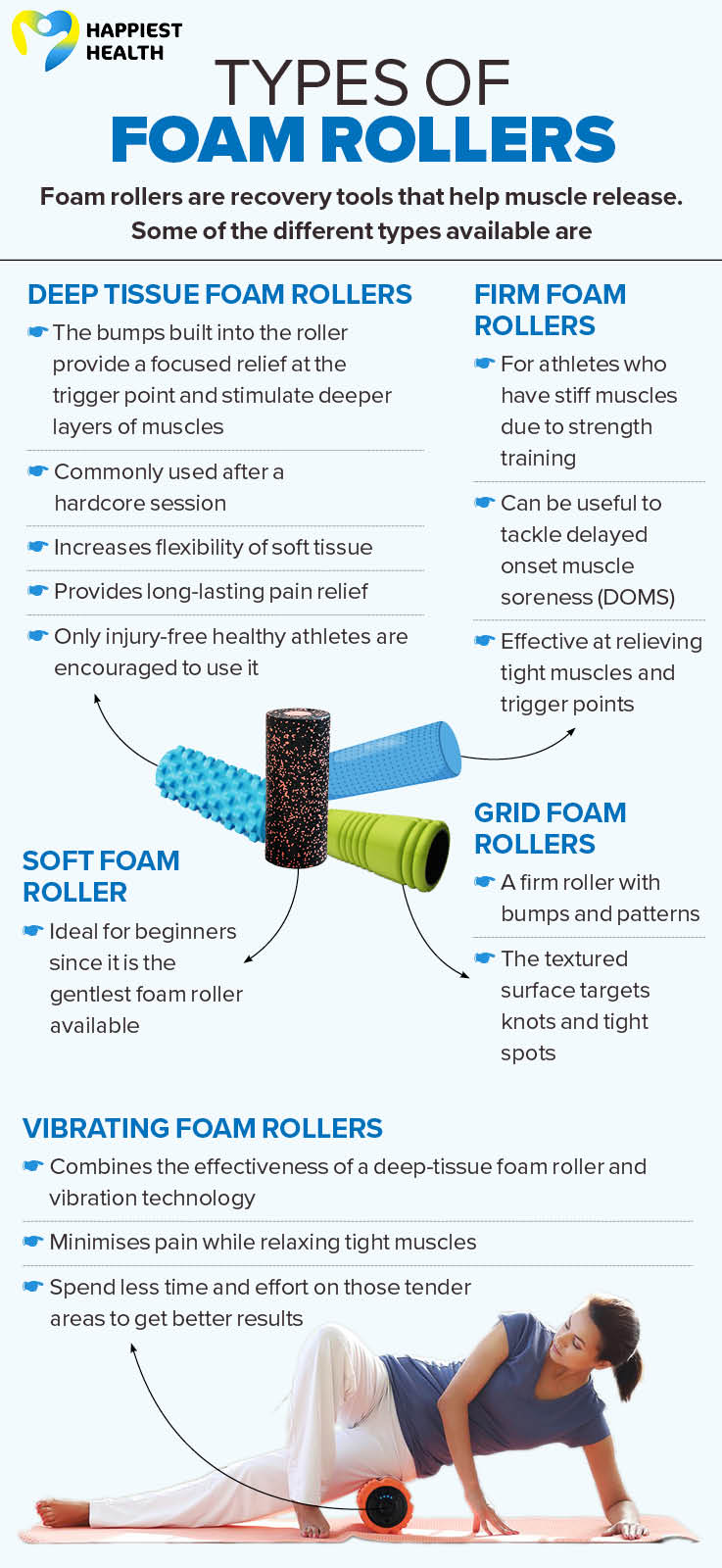
Not all foam rollers are created equal, and selecting the right one depends on your experience level and specific goals. Smooth, low-density rollers are best suited for beginners, as they provide gentler pressure that easier to tolerate. High-density rollers offer firmer pressure and are preferred by experienced users who need tissue work. Textured rollers, with knobs or ridges, are designed to mimic the fingers of a massage therapist and can reach layers of tissue effectively. Vibrating foam rollers represent advanced option, combining pressure with oscillation to enhanceation and recovery. If you're just starting out, a standard medium-density smooth roller is a practical cost-effective choice.
Who Can Benefit from Foam Rolling?
Foam rolling is not for athletes. Its benefits extend to virtually anyone who experiences muscular tension, postural issues, or reduced mobility. Office workers dealing with neck and shoulder tightness, older adults working maintain joint health and mobility, and individuals recovering from minor tissue injuries can all benefit from a consistent foam rolling practice. However, those with certain medical conditions — including deep vein thrombosis, peripheral neuropathy, osteoporosis, or open wounds — should consult a healthcare professional before beginning a foam rolling routine.
ConclusionFoam rolling is of the most accessible and effective tools available for improving physical performance, accelerating recovery, and maintaining long-term musculoskeletal health. Its benefits — reducing muscle soreness and improving flexibility to enhancing circulation and preventing injury — make it a worthwhile addition to virtually any fitness or wellness routine. By understanding the proper techniques, targeting the right muscle groups, and committing to regular, you can unlock the full potential of foam rolling and your body's ability to perform recover at its best.
Foam Rolling Exercises And Benefits That Feel Downright Delicious - Dr
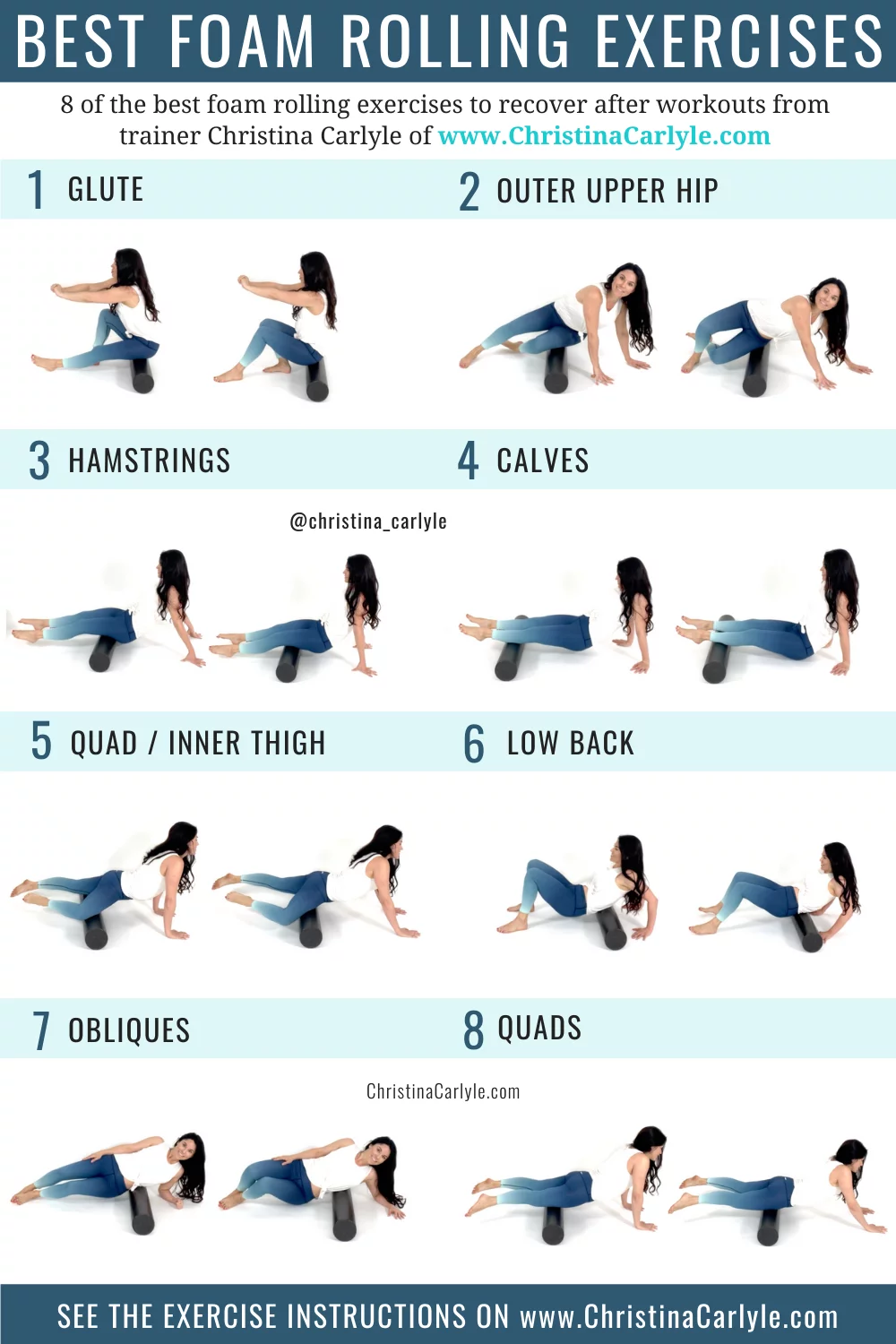
Foam Rolling Exercises and Benefits that feel Downright Delicious - Dr ...
How To Use A Foam Roller | Foam Roller Exercises, Workout Results, Back

How To Use A Foam Roller | Foam roller exercises, Workout results, Back ...
Benefits Of Foam Roller Exercises At Ida Barrera Blog

Benefits Of Foam Roller Exercises at Ida Barrera blog
Foam Roller Exercises: How To Get The Benefits Of Foaming Rolling

Foam Roller Exercises: How to Get the Benefits of Foaming Rolling ...
Foam Roller Exercises | How To Foam Roll | Foam Roller Benefits | Foam

Foam Roller Exercises | How to Foam Roll | Foam Roller Benefits | Foam ...
7 Benefits Of Foam Rolling And How To Use A Foam Roller | Exercises

7 Benefits Of Foam Rolling And How To Use A Foam Roller | Exercises ...
Top 10 Foam Roller Exercises For Back Pain Relief And Improved
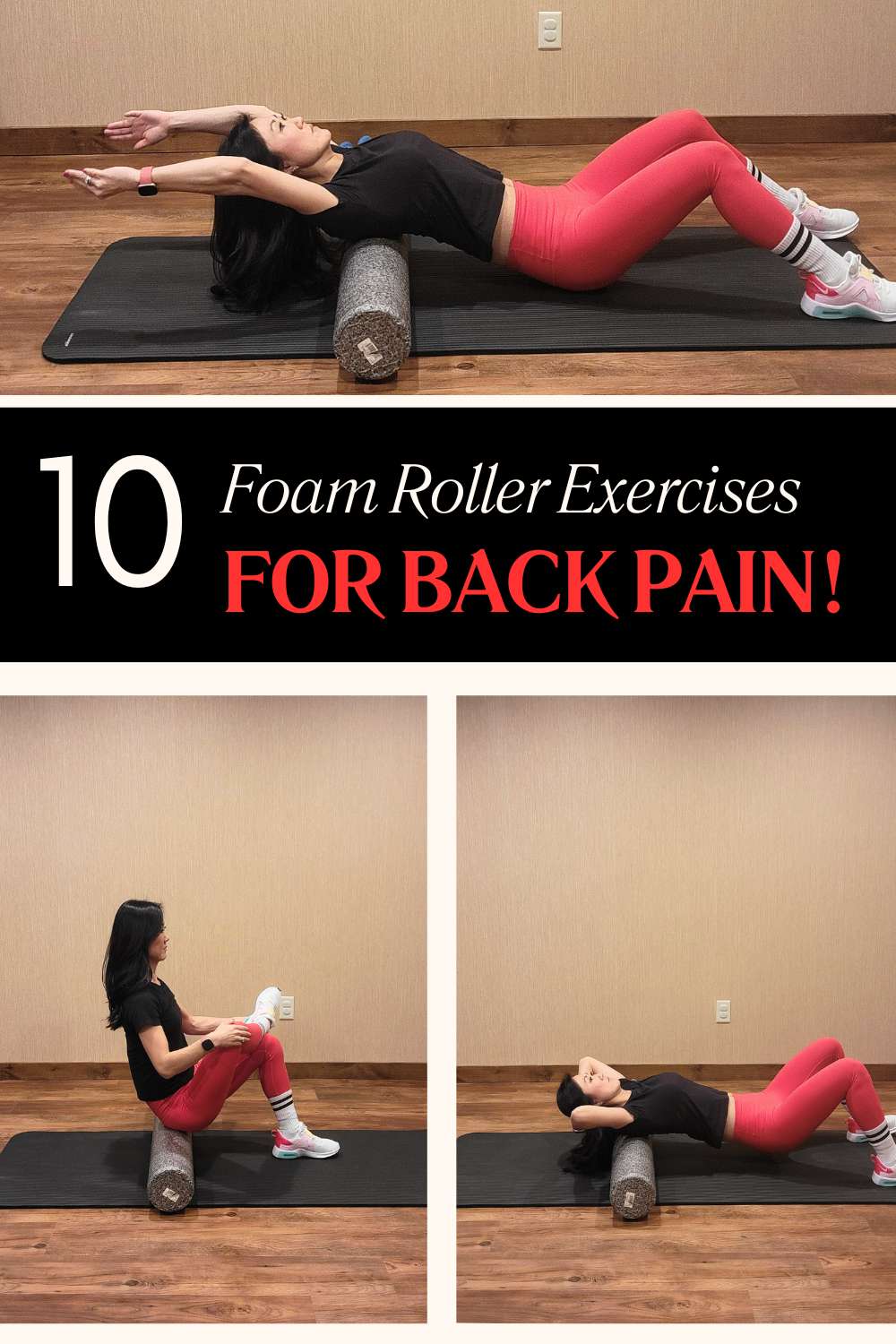
Top 10 Foam Roller Exercises for Back Pain Relief and Improved ...
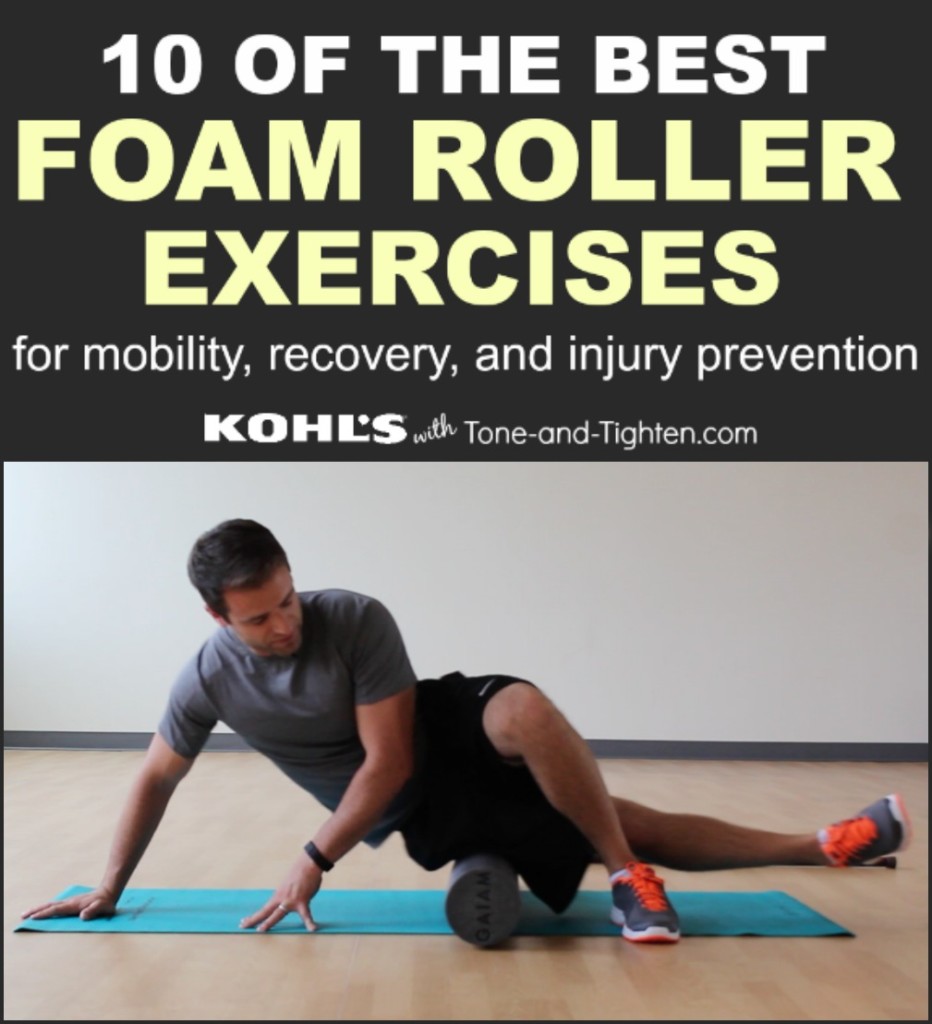
10 Of The Best Foam Roller Exercises – Artofit

10 of the best foam roller exercises – Artofit
The Complete Guide To Foam Roller Exercises
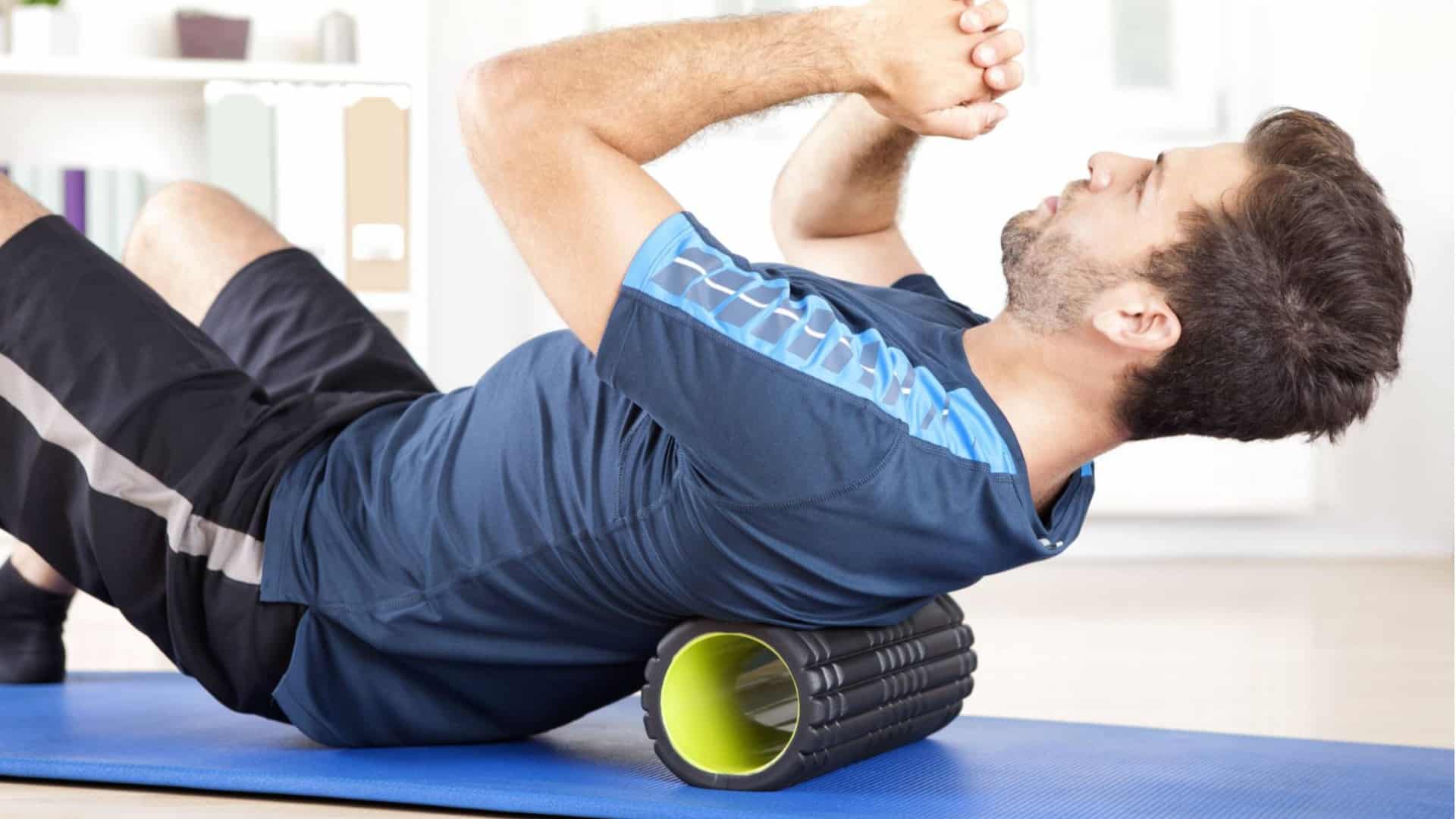
The Complete Guide To Foam Roller Exercises
How To Use A Foam Roller To Relax Muscles | Foam Roller Exercises, Foam

How To Use A Foam Roller To Relax Muscles | Foam roller exercises, Foam ...
Foam Rolling: How To Use, Benefits And Best Rollers - Athletic Insight

Foam Rolling: How to Use, Benefits and Best Rollers - Athletic Insight
10 Foam Rolling Moves For Anyone With A Desk Job | Redefining Strength

10 Foam Rolling Moves For Anyone With A Desk Job | Redefining Strength ...
Foam Roller: Best Exercises, Benefits, Tips, And How To.
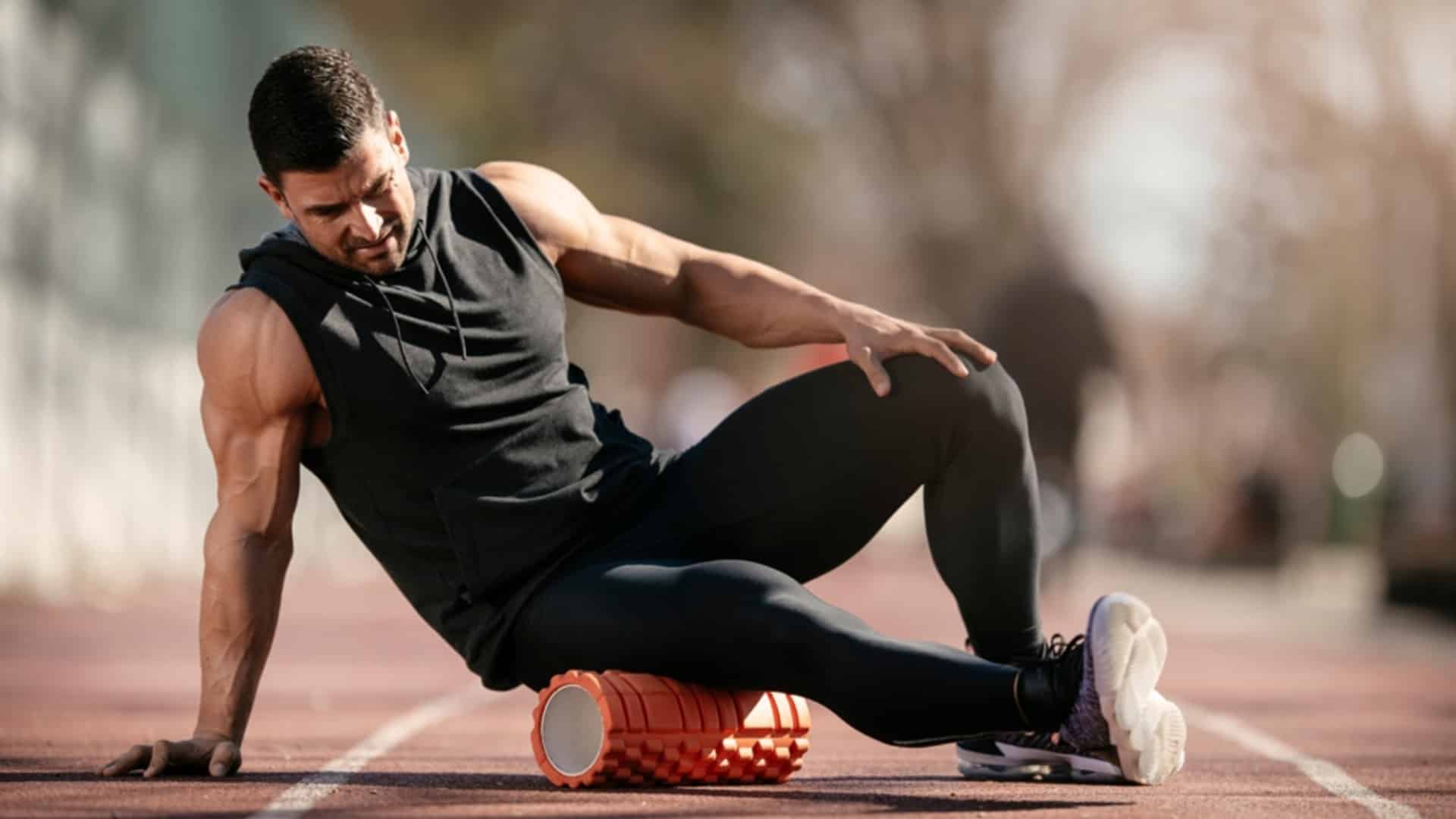
Foam Roller: Best Exercises, Benefits, Tips, and How to.
Foam Roller Exercises - 9 Best Moves And Its Benefits | Foam Roller

Foam Roller Exercises - 9 Best Moves and Its Benefits | Foam roller ...
Foam Roller Exercises - 9 Best Moves And Its Benefits
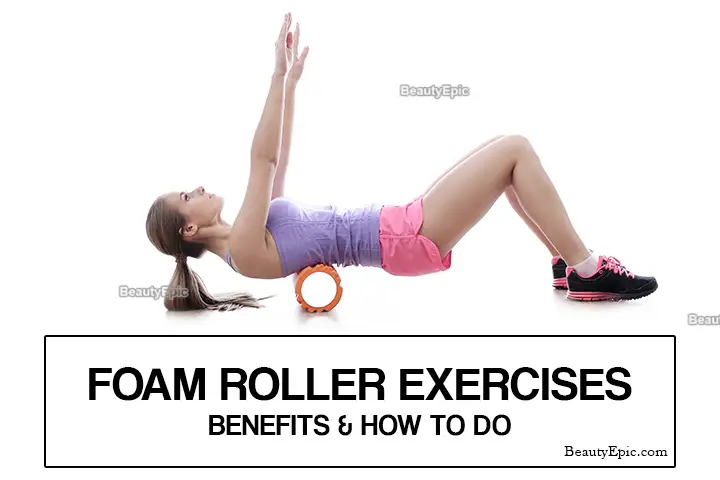
Foam Roller Exercises - 9 Best Moves And Its Benefits
How To Foam Roll The Right Way: 7 Foam Rolling Exercises
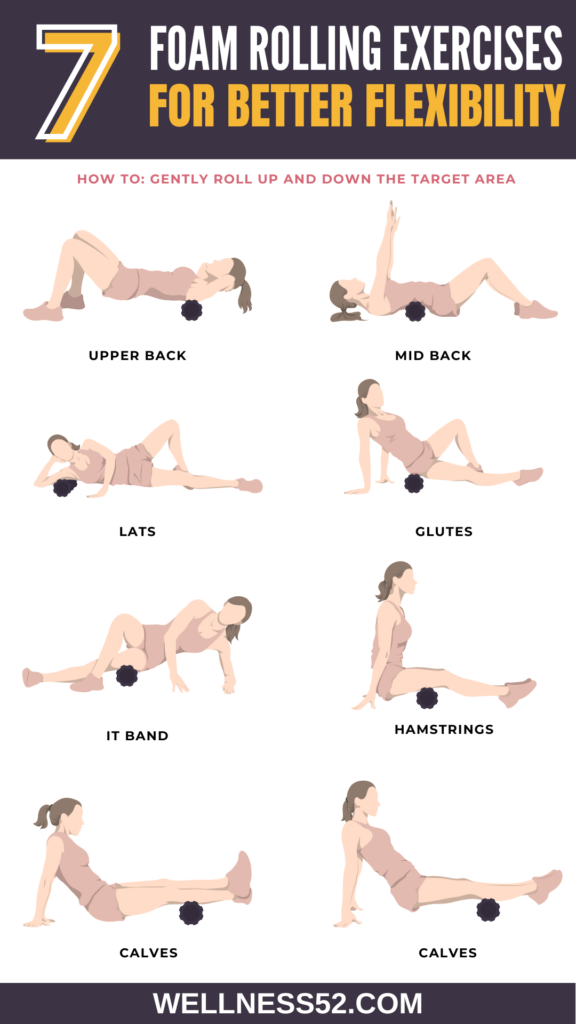
How to Foam Roll The Right Way: 7 Foam Rolling Exercises
Benefits Of Foam Roller Exercises At Ida Barrera Blog
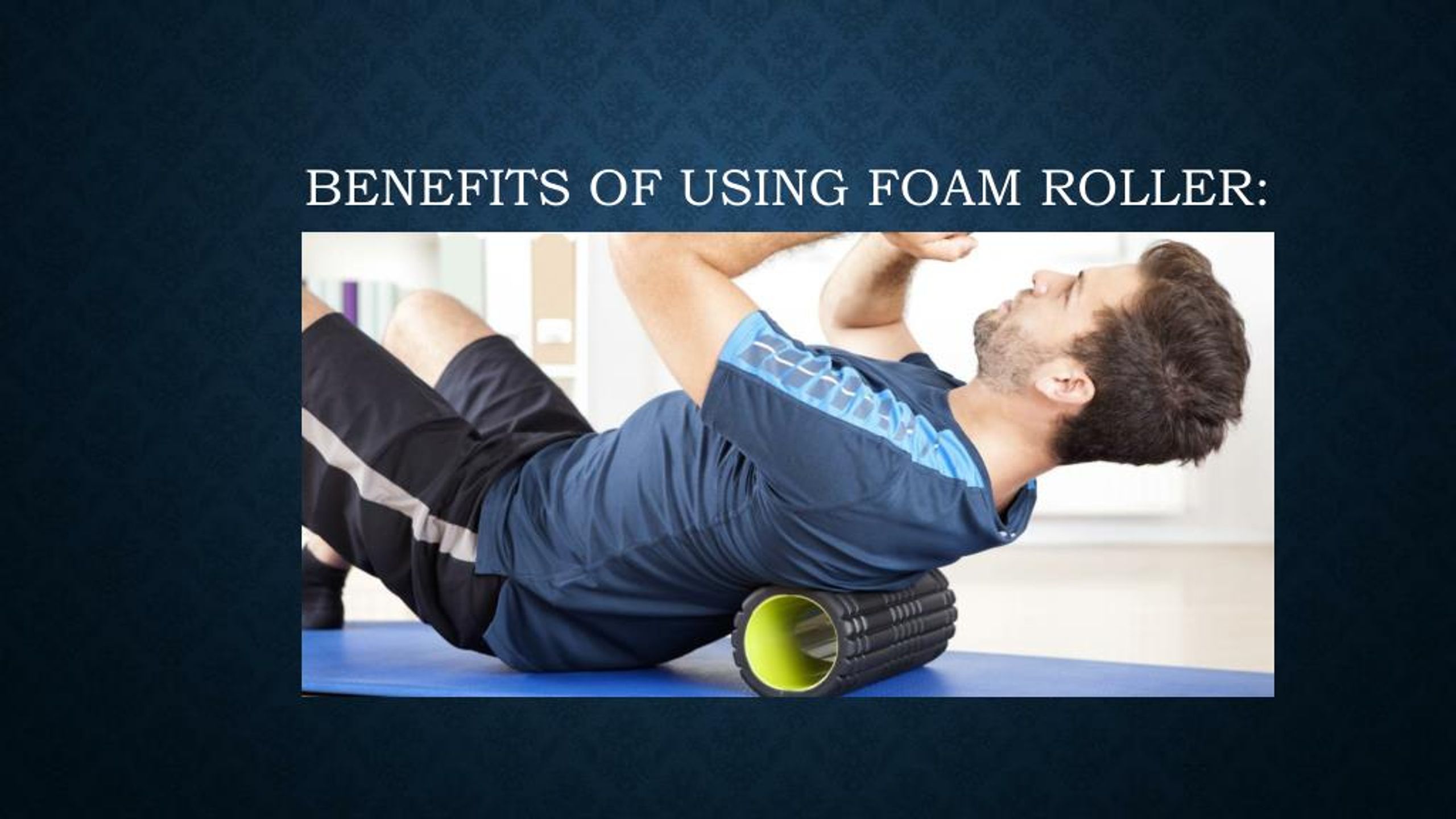
Benefits Of Foam Roller Exercises at Ida Barrera blog
15 Best Foam Roller Exercises For Recovery And Mobility
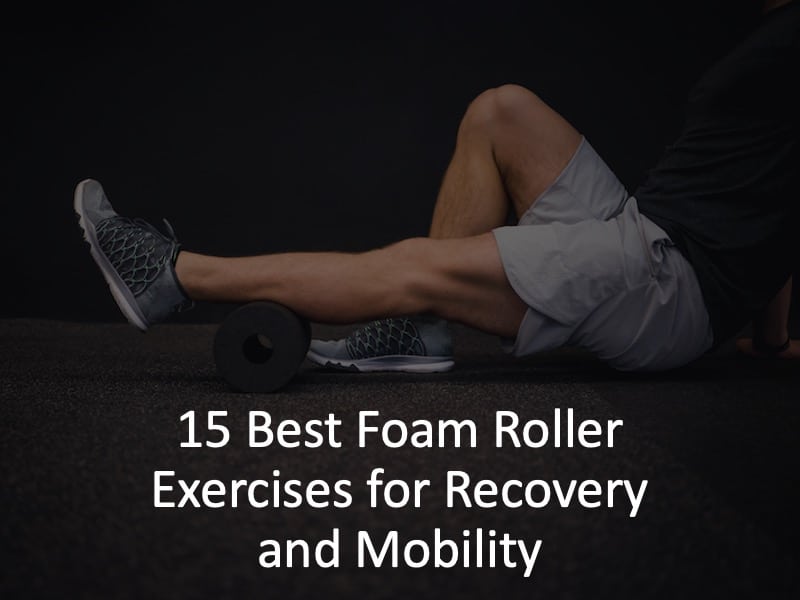
15 Best Foam Roller Exercises For Recovery And Mobility
Benefits Of Foam Roller Exercises At Ida Barrera Blog
Benefits Of Foam Roller Exercises at Ida Barrera blog
Foam Rollers: Types, Exercises And Benefits

Foam Rollers: Types, Exercises and Benefits
Benefits Of Foam Roller Exercises At Ida Barrera Blog
Benefits Of Foam Roller Exercises at Ida Barrera blog
Best 13 10 Benefits Of Foam Rolling + How To Do It – Artofit

Best 13 10 Benefits of Foam Rolling + How to Do It – Artofit
Benefits Of Foam Roller Exercises At Ida Barrera Blog
Benefits Of Foam Roller Exercises at Ida Barrera blog
Foam Rollers - How To Use, Benefits, And Best Exercises | BarBend

Foam Rollers - How to Use, Benefits, and Best Exercises | BarBend ...
Benefits Of Foam Rolling (And Tips For Beginners) | Foam Roller

Benefits of Foam Rolling (And Tips For Beginners) | Foam roller ...
How To Use A Foam Roller: Techniques, Benefits, And 12 Exercises To Try
How to Use a Foam Roller: Techniques, Benefits, and 12 Exercises to Try ...
Foam Roller Exercises Printable | Perkins

Foam Roller Exercises Printable | Perkins
7 Foam Rolling Benefits Ideas | Foam Rolling, Foam Roller, Foam Roller

7 Foam Rolling Benefits ideas | foam rolling, foam roller, foam roller ...
Benefits Of Foam Roller Exercises At Ida Barrera Blog
Benefits Of Foam Roller Exercises at Ida Barrera blog
Roll Away Injuries: The Benefits Of Foam Rolling - The Healthy Maven

Roll Away Injuries: The Benefits of Foam Rolling - The Healthy Maven
How To Improve Posture With A Foam Roller? The Best Tactics | Foam

How To Improve Posture With A Foam Roller? The Best Tactics | Foam ...
The Benefits Of Foam Rolling And Why You Should Start Today | Foam

The Benefits of Foam Rolling and Why You Should Start Today | Foam ...
11 Benefits Of Foam Rolling - Selfcarer | Roller Workout, Exercise

11 Benefits of Foam Rolling - Selfcarer | Roller workout, Exercise ...
🏋️ Recommended Fitness Gear
Get the best equipment for your fitness journey