You crushed your workout. You pushed through the final rep, sweat dripping, muscles burning. But what you do in the next 24 to 72 hours determines how much of that effort actually translates into growth. This guide is your no-nonsense, beginner-friendly roadmap to muscle recovery after workout. You'll learn exactly why recovery matters, how to speed up soreness relief, what to eat and drink, when to rest, and how to sleep your way to stronger muscles. By the end, you'll have a simple, actionable plan to bounce back faster and train harder — without the guesswork.
Why Muscle Recovery After Workout Is Non-Negotiable
Here's the truth that most beginners miss: you don't build muscle during your workout. You break it down. Lifting weights or doing intense cardio creates microscopic tears in your muscle fibers. That's completely normal — and it's the stimulus your body needs to rebuild. But the actual rebuilding happens *after* you finish exercising, during the recovery window. If you skip recovery, you're essentially tearing down a house without ever rebuilding the walls. Your muscles need time, nutrients, and rest to repair those microtears and come back thicker and stronger. This process is called muscle protein synthesis, and it's the entire reason you see results. Without a deliberate recovery strategy, you'll plateau, feel constantly fatigued, and risk injury. Think of recovery not as a day off, but as the second half of your workout — the part where you actually earn your gains.
Start Trading with a Trusted Broker
Join millions of traders worldwide. Access forex, stocks, and commodities on one platform.
Open Free Account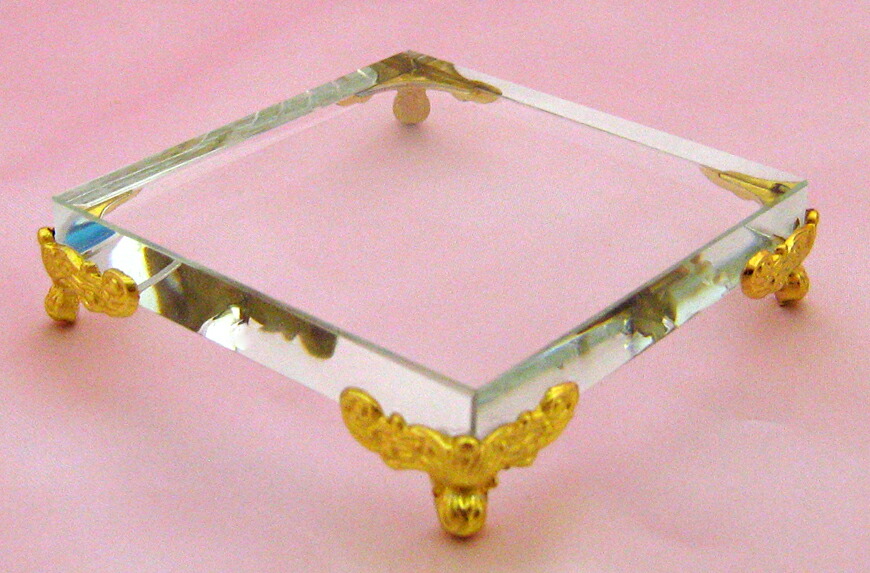
The Golden Window: What Happens Right After You Finish
The first 30 to 60 minutes after your last rep is your "golden window" — and no, it doesn't mean you have to slam a protein shake within 10 seconds or your workout was wasted. That old myth is overblown. What *does* matter is starting the recovery engine. First, bring your heart rate down with 5–10 minutes of light walking or cycling. This prevents blood from pooling in your extremities and helps flush out metabolic waste. Second, rehydrate. You lost fluids through sweat, and even mild dehydration slows down every repair process in your body. Water is your cheapest, most effective recovery tool. Third, start thinking about fuel — but more on that in a moment. The point is, you don't need a complex ritual. Just move gently, drink water, and don't collapse onto the couch immediately. Your body is asking for a smooth transition from "fight" mode back to "repair" mode.
Active Recovery: Why Lying Completely Still Is a Mistake
It sounds counterintuitive, but total rest on the day after a hard workout can actually make your soreness worse. This is where active recovery comes in. Active recovery means doing very light, low-intensity movement — like a 20-minute walk, gentle yoga, or easy swimming. The magic here is blood flow. Gentle movement pumps nutrient-rich blood into your tired muscles, which speeds up the removal of inflammation and delivers the building blocks needed for repair. It also keeps your joints lubricated and your nervous system calm. Studies show that active recovery significantly reduces delayed onset muscle soreness (DOMS) compared to complete bed rest. So, if you're feeling stiff the day after leg day, don't skip the gym — just go and do a light session or a long walk. Your muscles will thank you, and you'll feel less like a rusty robot by evening.
Nutrition for Recovery: Protein, Carbs, and Smart Fats
You can't out-recover a bad diet. Your muscles are literally built from the food you eat. Here's the beginner breakdown. Protein is the star player — aim for 20–40 grams within a few hours post-workout. Good sources are chicken, Greek yogurt, eggs, or a quality whey shake. This provides the amino acids (leucine specifically) that trigger muscle protein synthesis. Carbohydrates are the unsung heroes. They replenish your glycogen stores — the fuel your muscles used during the session. Think sweet potatoes, rice, oats, or fruit. Don't fear carbs; they're not the enemy. A simple rule: pair a palm-sized portion of protein with a fist-sized portion of carbs at your next meal. Healthy fats like avocado and olive oil reduce systemic inflammation, but keep them moderate immediately post-workout since they digest slowly. Final tip: eat a balanced meal, not just a protein bar. Whole foods deliver fiber, vitamins, and minerals that processed supplements simply can't replicate.
Hydration and Electrolytes: The Overlooked Key
Your muscles are about 75% water. Even a 2% drop in hydration levels can reduce your strength output and slow down recovery dramatically. During a tough workout, you can lose a liter of sweat or more, taking essential electrolytes — sodium, potassium, and magnesium — with it. These aren't just for athletes; they're what allow your nerves to fire and your muscles to contract. The beginner-friendly hydration plan is simple. Weigh yourself before and after a workout (if you can). For every pound lost, drink about 16–20 ounces of water. But don't just chug plain water — add a pinch of sea salt or an electrolyte tablet to your bottle if you sweat heavily. And here's a pro tip: sip water throughout the day, not just after your session. Dark yellow urine is a sign you're behind. Aim for pale straw-colored urine as your daily hydration target. It's boring, but it works.
The Sleep Connection: Where the Magic Happens
If recovery had a superhero, it would be sleep. While you sleep, your body releases human growth hormone (HGH), which is directly responsible for tissue repair and muscle growth. That's not hype — it's biology. The problem is, most beginners underestimate how much sleep they actually need. Aim for 7–9 hours of quality sleep per night, especially in the two nights following a hard workout. But it's not just about quantity. Quality matters. Create a cool, completely dark, and quiet bedroom. Ditch screens at least 30 minutes before bed — the blue light suppresses melatonin. And consider a calming sleep ritual. Here's where an unexpected tool comes in: scent. Aromatherapy with lavender or sandalwood has been shown in small studies to improve sleep depth and reduce pre-sleep anxiety. Using a simple aroma lamp or diffuser in your bedroom can signal to your nervous system that it's time to power down. The image below shows a clean, minimal base for an aroma lamp — a lovely addition to a recovery-focused bedroom setup. Pair good sleep habits with a calming environment, and you'll wake up feeling physically rebuilt.
Stretching, Foam Rolling, and Massage: Should You Bother?
You've seen people foam rolling at the gym and thought, "Is that really necessary?" The short answer: it helps, but it's not magic. Static stretching (holding a stretch for 30 seconds) is best done *after* your workout, not before, when muscles are warm. It improves flexibility and reduces tension. Foam rolling (self-myofascial release) works like a poor man's massage — it breaks up adhesions in the fascia and increases blood flow to the area. Spend 1–2 minutes rolling the major muscle groups you trained. It will hurt a bit, but it's a "good" hurt. Professional massage is a luxury, but even a 10-minute self-massage of your calves or quads with your hands can help. The science is clear: these techniques don't remove all soreness, but they reduce perceived pain and improve range of motion. The key is consistency — do 5–10 minutes of rolling and stretching nightly, and your recovery days will feel dramatically easier.
Listen to Your Body: Soreness vs. Injury
This is the skill that separates smart beginners from injured ones. Soreness (DOMS) usually peaks 24–48 hours after a workout. It feels like a dull, heavy ache, and it gradually fades over a few days. That's normal. But what's *not* normal is sharp, stabbing pain, swelling, or pain that's localized to a single joint and worsens with movement. That's a potential injury, and pushing through it is a terrible idea. The beginner rule of thumb: if your soreness is symmetric (both legs hurt after leg day),