If you've been waking up exhausted, struggling to perform at your best, or just feeling like your body never fully recharges, this guide is for you. Over the next few sections, I'm going to walk you through everything I've learned about optimizing sleep for genuine recovery — covering the science, habits, the tools, and the mindset shifts that actually make a difference in 2026. Whether you're an athlete, a busy professional, or just someone who wants to feel human again in the morning, you'll find practical, actionable strategies here that you can start using tonight.
Why Sleep Recovery Matters More Than Ever in 2026
We live in a world that glorifies hustle and undervalues rest. But here's the thing — your body does its most important work while you sleep. Muscle tissue repairs itself, hormones like growth hormone and testosterone peak, your immune system consolidates its defenses, and your brain literally flushes out metabolic waste through the glymphatic system. Without deep quality sleep, none of that happens efficiently. In 2026, with more screen time, artificial light exposure, and chronic stress than ever before, sleep recovery isn't a luxury — it's a biological necessity that many of us are shortchanging ourselves on every single night.
Research consistently shows that adults who sleep fewer than seven hours per night experience measurably worse physical performance, slower reaction times, impaired memory consolidation, and higher levels of inflammatory markers. The good news? Most of these effects are reversible when you commit to genuine sleep optimization.

Understanding Your Sleep Architecture
Before you can optimize something, you need to understand how it works. Your sleep isn't one continuous state — it cycles through distinct stages roughly every 90 minutes. Light sleep (N1 and N2) transitions into deep slow-wave sleep (N3), which is where most of your physical recovery happens. Then comes REM sleep, where emotional processing, memory consolidation, and creative thinking occur. A full night of sleep cycles through this pattern four to six times.
The problem many people face isn't just total sleep time — it's disrupted architecture. Alcohol, late-night eating, blue light exposure, and stress all fragment these cycles, cutting down on the deep and REM stages you need most. When I started tracking my own sleep stages, I was genuinely shocked to discover how little quality sleep I was actually getting despite spending eight hours in bed. That's when I realized time in bed and actual sleep are two very different things.
Building a Sleep Environment That Supports Recovery
Your bedroom environment has an enormous impact on sleep quality, and this is one of the fastest areas where you can make meaningful changes. Temperature is a big one — your core body temperature needs to drop by one to two degrees Fahrenheit to initiate and maintain deep sleep. Most researchers recommend keeping your room between 65 and 68 degrees Fahrenheit. I personally dropped my thermostat to 66°F and noticed a difference within the first week.
Darkness matters just as much. Even small amounts of light — from a charging phone, a streetlamp through thin curtains, or a power strip LED — can suppress melatonin production. Blackout curtains and covering all device lights made a noticeable difference in how rested I felt. Noise is another underrated factor. If you live somewhere with ambient noise, a white noise machine or fan can mask disruptive sounds without requiring complete silence, which can actually feel uncomfortable for some people.
Finally, your mattress and pillow setup matters more than most people acknowledge. A mattress that doesn't support spinal alignment or regulate temperature effectively can quietly sabotage your deep sleep without you ever connecting the dots. It's worth evaluating whether your sleep surface is actually working for your body type and sleep position.

Foam Roller for Muscle Recovery
Perfect for post-workout recovery. Use before bed to release muscle tension and improve sleep quality.
Check Price on AmazonNutrition and Supplementation Strategies for Better Sleep
What you eat and when you eat it has a direct relationship with how well you recover overnight. Large meals within three hours of bedtime divert blood flow and metabolic resources toward digestion, competing with the repair processes your body wants to prioritize during sleep. I try to finish eating at least three hours before bed, which took some adjustment but made a real difference in my sleep quality scores.
On the supplementation side, several compounds have solid research backing for sleep optimization:
- Magnesium glycinate — Probably the most well-supported supplement. It activates GABA receptors that promote relaxation and has been shown to improve both sleep onset and sleep quality.
- Ashwagandha — Has emerging evidence for reducing cortisol and improving sleep architecture, particularly in people dealing with chronic stress.
- L-theanine — Naturally found in green tea, promotes relaxed alertness and can ease the mental chatter that keeps a lot of us staring at the ceiling.
Melatonin is worth discussing carefully. It's not a sedative — it's a timing signal for your circadian rhythm. Low doses (0.5mg to 1mg) taken about 30 minutes before your target sleep time are generally more effective than the high-dose supplements commonly sold. Using too much melatonin too frequently can actually blunt your body's natural production over time, so I treat it as a tool for travel or schedule disruption rather than a nightly habit.

Premium Protein Powder for Recovery
Quality protein before bed supports overnight muscle repair and recovery while you sleep.
Check Price on AmazonTechnology Tools That Actually Help
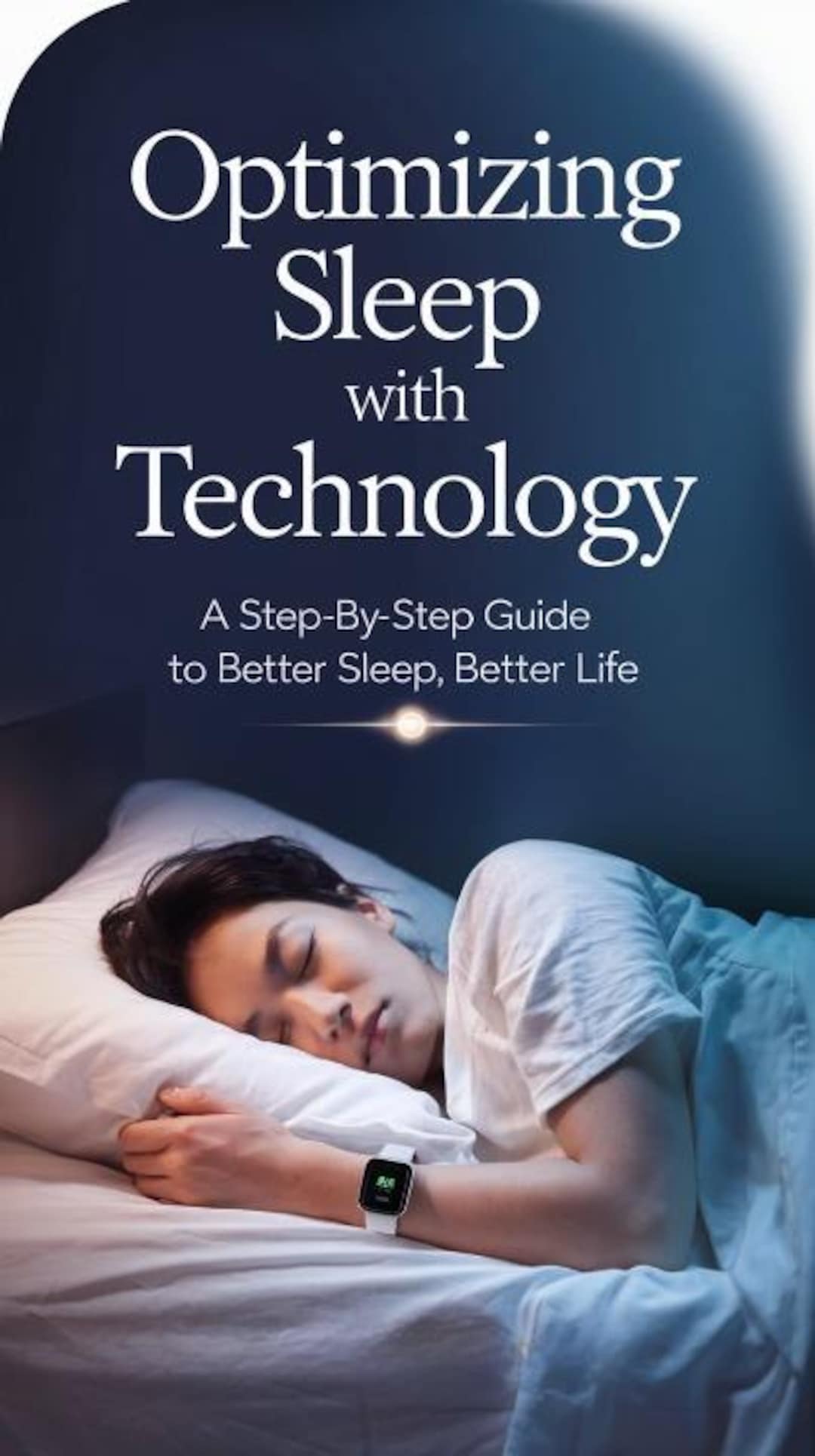
Sleep technology has matured significantly, and in 2026 we have better tools than ever for understanding and improving our recovery. Wearable trackers from companies like Oura, Garmin, and WHOOP now provide detailed sleep stage data, heart rate variability (HRV) readings, and recovery scores that give you genuine insight into how well you're bouncing back night after night. HRV in particular has become one of the most reliable proxies for recovery status — higher HRV generally correlates with better parasympathetic nervous system activity and readiness for physical and cognitive demands.
Smart lighting systems that shift from cool blue tones in the morning to warm amber tones in the evening are another genuinely useful tool. Your circadian rhythm is primarily set by light exposure, and managing it deliberately throughout the day can improve both sleep onset and morning alertness. I use a smart bulb setup that automatically transitions starting around 7pm — it sounds simple, but over weeks the effect on my sleep timing has been consistent.
Temperature regulation is also worth mentioning. Mattress cooling systems and cooling mattress pads have become much more accessible in recent years and can be a game-changer for people who naturally run hot or for couples with different temperature preferences. Some advanced systems can even be programmed to lower your mattress temperature at specific times during the night to support your natural temperature drop.

Fitness Tracker with Sleep Monitoring
Track your sleep stages, HRV, and recovery scores to optimize your rest and performance.
Check Price on AmazonMental Health, Stress, and the Sleep Connection
You cannot separate sleep quality from mental and emotional health — they're deeply intertwined in a bidirectional relationship. Poor sleep drives up cortisol, reduces emotional regulation capacity, amplifies anxiety, and makes everything feel harder. Chronic stress and anxiety in turn fragment sleep, reduce deep sleep, and trigger the kind of hypervigilant nervous system state that makes genuine recovery feel impossible.
Breaking this cycle requires addressing both sides. On the stress management side, I found that consistent breathwork practices — especially extended exhale techniques like box breathing or 4-7-8 breathing — are remarkably effective at shifting your system toward a parasympathetic state before bed. Even five to ten minutes of intentional breathwork can measurably lower heart rate and prepare your body for sleep onset.
Cognitive Behavioral Therapy for Insomnia (CBT-I) has the strongest research backing of any sleep intervention — stronger than medication — and many principles can be applied without a therapist. Sleep restriction therapy, stimulus control (keeping your bed exclusively for sleep and sex), and challenging catastrophic thinking about sleep are all components that have made meaningful differences for people with chronic sleep difficulties.
Journaling before bed is something I kept dismissing until I actually tried it consistently for a month. Getting thoughts, worries, and tomorrow's to-do list out of my head and onto paper genuinely reduced the mental chatter that used to keep me awake. It's one of those low-tech interventions that keeps showing up in the research for good reason.
Exercise Timing and Physical Recovery
Regular exercise is one of the most powerful tools for improving sleep quality — it increases slow-wave deep sleep, reduces sleep onset time, and helps regulate your circadian rhythm through body temperature fluctuations and hormone signaling. But timing matters more than many people realize. Vigorous exercise within two to three hours of bedtime can elevate core body temperature, spike adrenaline and cortisol, and make it significantly harder to fall asleep for many people.
Morning or early afternoon exercise tends to have the most reliable positive effect on that night's sleep. It helps anchor your circadian rhythm, promotes adenosine buildup (the sleep pressure chemical) throughout the day, and gives your body temperature time to return to baseline well before bed. That said, individual responses vary — some people tolerate evening exercise fine. If you're currently exercising at night and sleeping well, there's no need to change it. If you're struggling with sleep, shifting training earlier is worth experimenting with for a few weeks.
Post-workout practices like contrast therapy (alternating hot and cold water exposure), foam rolling, and deliberate cool-down periods also support better sleep by facilitating the return to a parasympathetic state after intense training. These aren't just performance tools — they're sleep tools.

Massage Gun for Deep Muscle Recovery
Relieve muscle tension and promote relaxation before bed for improved sleep quality.
Check Price on AmazonBuilding a Consistent Sleep Schedule
Consistency is probably the most underrated factor in sleep optimization. Your circadian clock runs on a roughly 24-hour cycle, and it functions best when your sleep and wake times are anchored to predictable timing. Social jetlag — the pattern of staying up late and sleeping in on weekends — disrupts this rhythm in ways that accumulate over time and are surprisingly difficult to recover from.
I used to think that sleeping in on weekends was "catching up" on lost sleep. The research tells a more complicated story. While sleep debt can be partially recovered, the circadian disruption from irregular schedules carries its own costs. A consistent wake time — even on weekends — is more important than a consistent bedtime, because it anchors the beginning of your circadian rhythm from a fixed morning reference point.
If you're trying to shift your sleep timing, the most effective strategy is gradual adjustment — moving your target wake and sleep times by 15 to 30 minutes every few days rather than trying to force a dramatic change. Morning light exposure immediately after waking is one of the strongest circadian anchors available, completely free, requiring nothing but stepping outside for 10 minutes.
Conclusion
Sleep optimization in 2026 isn't about any single hack or magic supplement — it's about understanding how your body actually works and building an environment, routine, and lifestyle that supports genuine recovery. The strategies I've covered here — from sleep environment and nutrition to technology, mental health, exercise, and consistency — all work together as a system.
You don't need to implement everything at once. Start with one or two changes that feel most relevant to your situation, give them real time to work, and build from there. Your future self — sharper, more energetic, and genuinely recovered — is worth the investment. Sleep well.

Yoga Mat for Pre-Sleep Stretching
Perfect for gentle stretching or meditation before bed to prepare your body for restful sleep.
Check Price on Amazon